The Infrastructure

What: the hardware

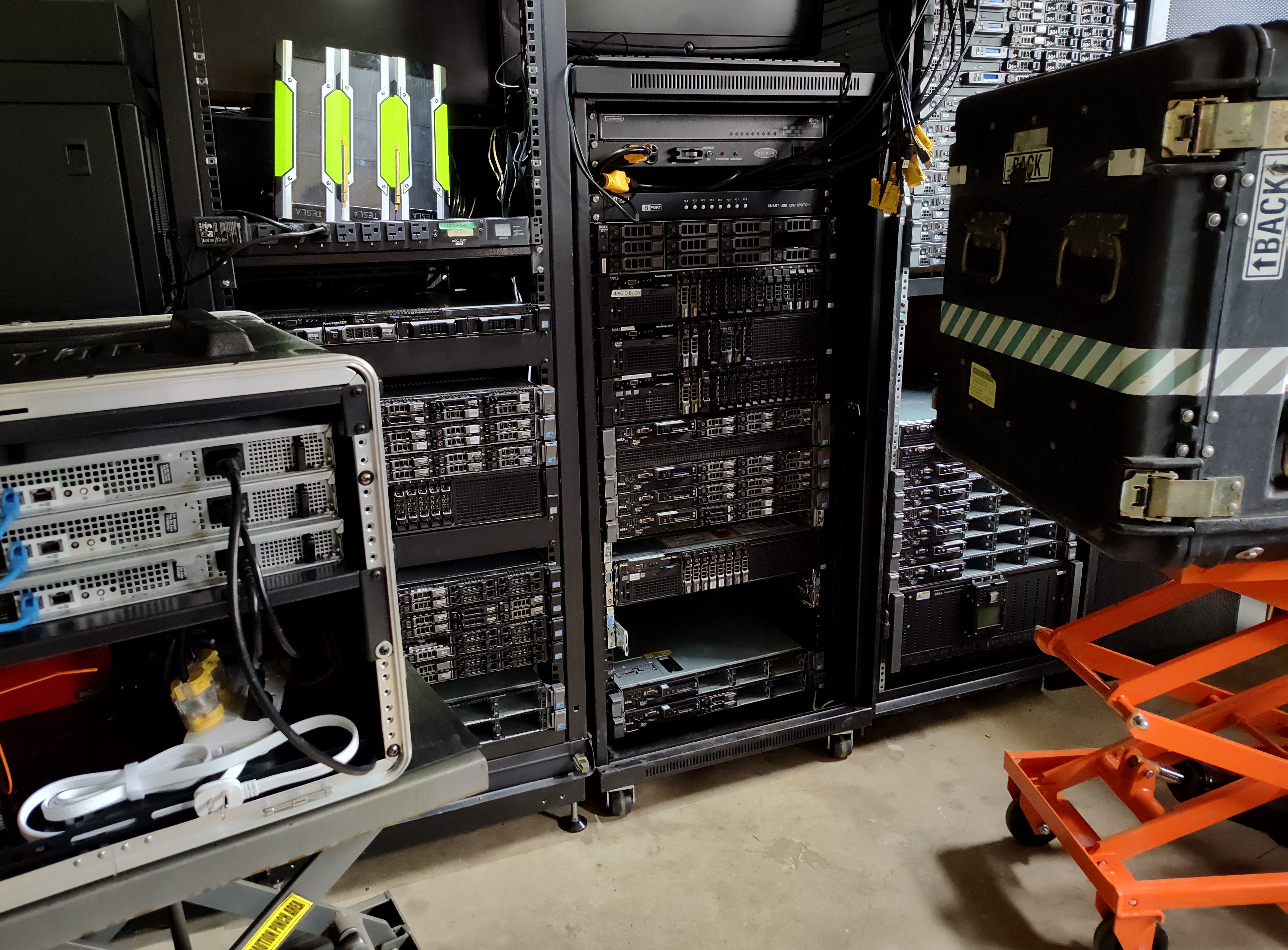
Neon Forest Networks operates a sizeable fleet of enterprise-grade servers — retired from industrial careers, refreshed and redeployed under Indigenous stewardship.
The hardware is solid, proven, paid for, and running today.

65
Servers
~750
GB RAM
~900
CPU cores
~200,000
GB Storage

Neon Forest Networks deploys hardware nodes in a range of form factors, matched to the characteristics of the partner community.
The same stewardship software and governance control runs on every hardware node.
Gateway Gator
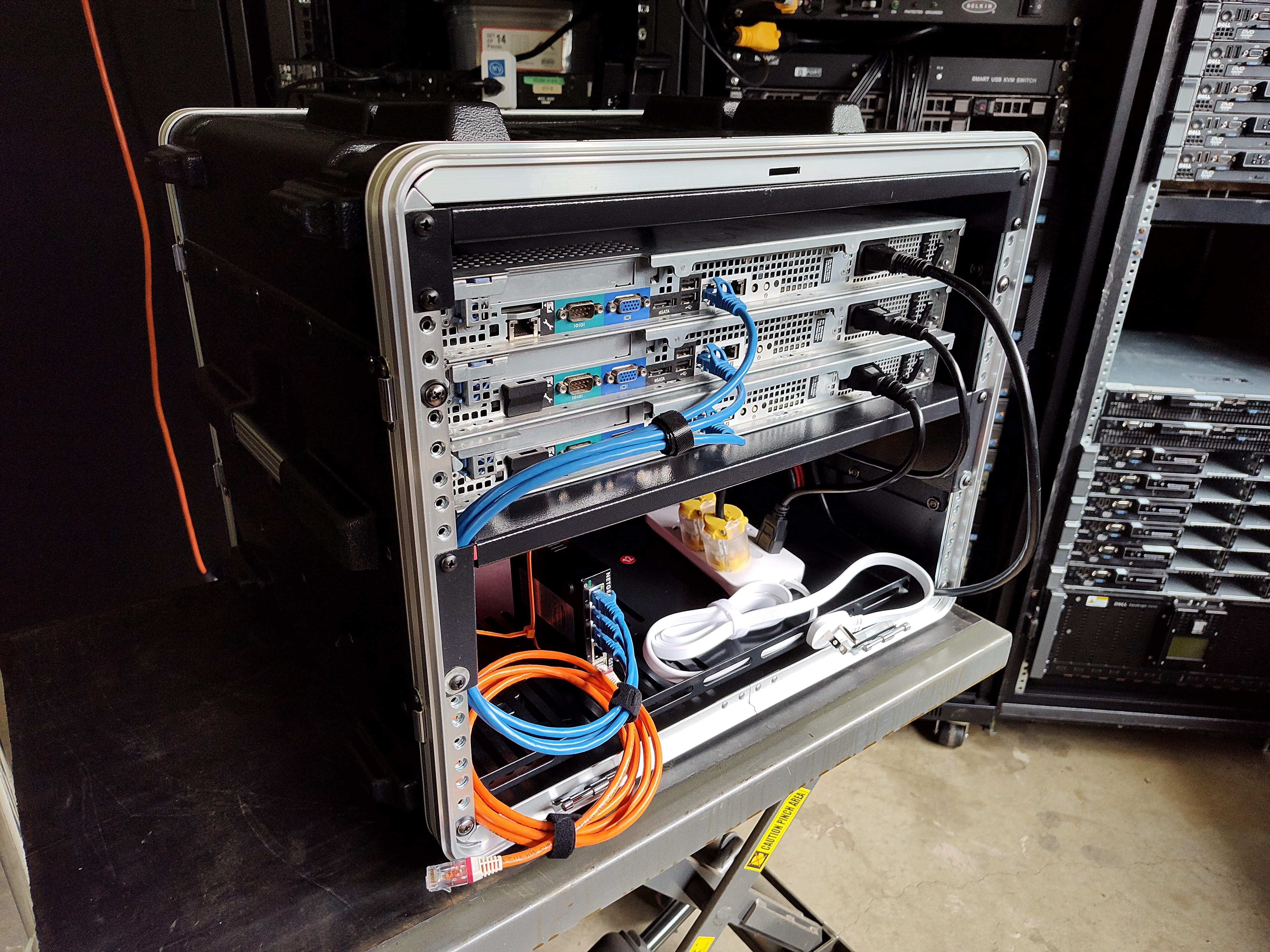
Compact node for archive and light compute
A ruggedized Gator case housing 3 compact servers with redundant storage, network, power and connectivity management. Stores data and runs AI agents for community use, with backup replicated across the constellation.
1 TB local archive · 10-30 TB available for rent · 7B–13B model inference · Starlink-compatible
Suitcase Compute
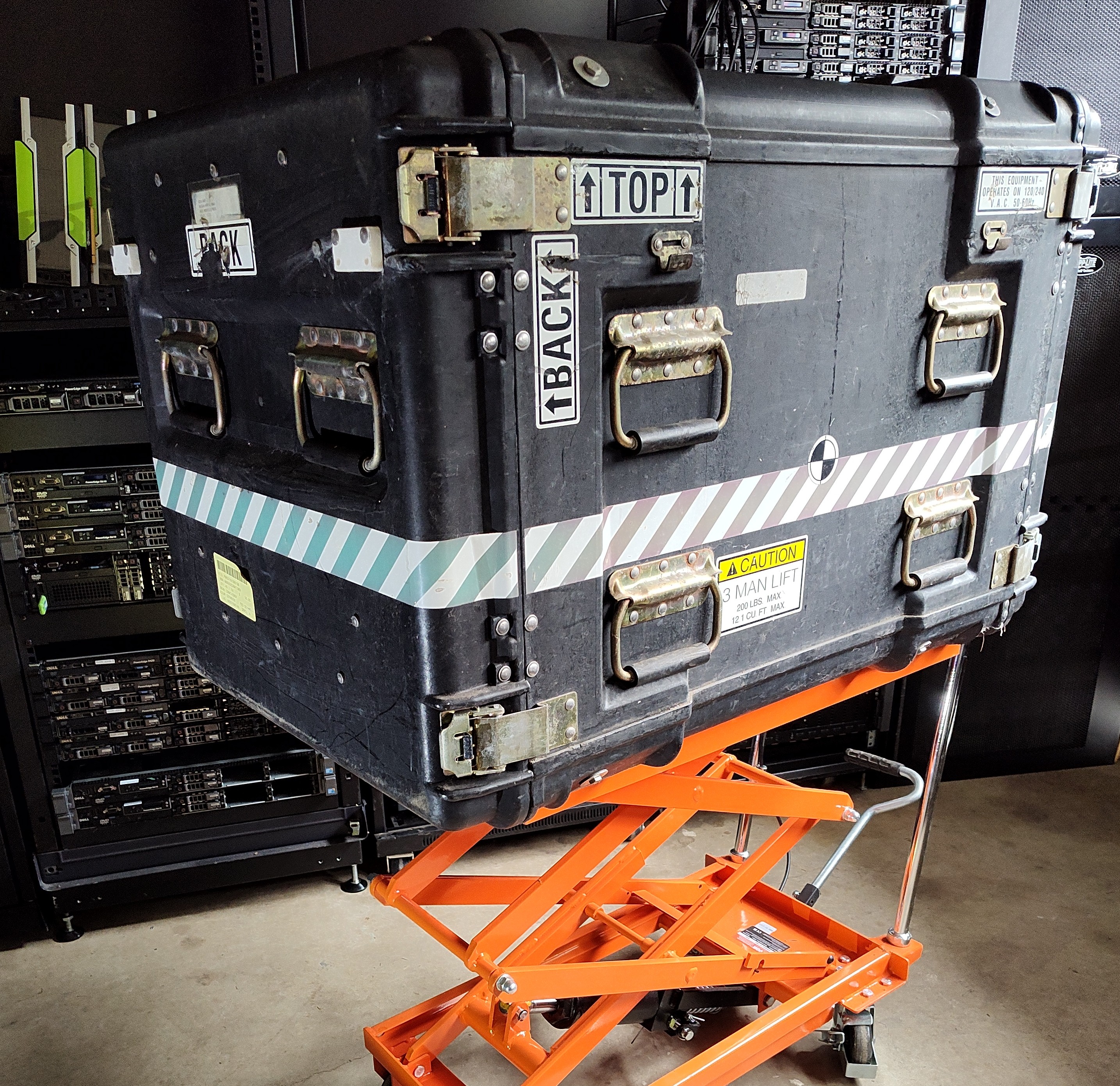
Full-capability sovereign node — road-deployable
A ruggedized mil-spec field case housing a Dell R730 server with dual GPUs (min NVIDIA P40 with 48 GB VRAM). Capable of running the largest open-weight AI models locally, with no data leaving the community's territory. Delivered to partner sites across North America and accessible international locations.
5 TB local archive · 50-200 TB available for rent · Full 70B model inference · Starlink-ready
Neon Forest Backup
Network backbone — Kitsap, Washington State, USA
Currently 60 enterprise servers in rack infrastructure. Receives, commissions, and validates hardware before field deployment. Serves as the off-site backup node for the constellation, as appropriate — redundant volume storage for community data held across the network.
Multi-layered archive citadel & vault · Tailscale overlay hub · Dual Starlink uplinks

Mid-2027 goal is twelve hardware nodes deployed and operational — each on Indigenous territory, each in the hands of a community that stewards it.

The sites below reflect current relationships and conversations. Independently from hardware nodes, any community with a laptop and a Starlink can formally join the constellation remotely from day one — accessing their dedicated capacity for compute, storage, and AI services while participating fully in the governance structure.

01 WA, USA Pacific Northwest
02 Amazonia Amazonia
03 Great Plains, USA Great Plains
04 WA, USA Pacific Northwest
05 Southwest USA Southwest USA
06 Micronesia Micronesia
07 Polynesia Hawaii
08 USA or Canada, TBD North America
09 Polynesia Polynesia
10 USA or Canada, TBD North America
11 Amazonia Amazonia
12 Melanesia Melanesia